
Weekly Dance Socials: Finding Your Community
8 min read
•
Beginner
•
April 2026
Discover how weekly dance socials bring people together. We've covered what happens at these events, how to meet people, and why they're so popular with active retirees across Ireland.

Author
Senior Lifestyle & Wellness Editor
Síle O'Connor is a senior lifestyle educator with 14 years of experience designing community dance programmes and wellness initiatives for Irish retirees.
What Exactly Are Weekly Dance Socials?
Dance socials are informal, low-pressure events where people gather to dance, chat, and enjoy music together. They're not competitions. They're not performances. They're just people having a good time.
Most socials run 2-3 hours, usually in the evening after work or on weekends. You'll find them in community halls, dance studios, or hotels. The music varies — some focus on salsa, others on bachata or a mix of both. And here's the thing: you don't need a partner. If you arrive solo, you'll find plenty of people to dance with.
The real benefit? You're dancing with different people every week. That builds your confidence faster than drilling alone ever could. Plus, it's genuinely fun.
How to Find a Social Near You
Finding a social isn't difficult. You've got several routes to explore.
Local dance studios usually host socials weekly or monthly. Ring them up and ask. They'll tell you exactly when, where, and what style. Facebook groups for dance in Ireland are goldmines too — search "dance socials [your county]" and you'll find community pages listing everything happening near you. Don't discount word-of-mouth either. If you're already taking classes, your instructor will know the social circuit.
Hotels and community centers often host events on weekends. The atmosphere tends to be slightly more formal at hotel venues, but they're usually well-organized with proper sound systems and decent dance floors. Community halls feel more relaxed — sometimes it's just a few keen dancers and whoever shows up, which honestly makes for a friendlier vibe.
What Happens at a Social — The Real Experience
You'll arrive, pay the entrance fee (usually €5-10), and find yourself in a room with maybe 20 to 80 other people. Some are regulars who know everyone. Some are new like you. That's the beauty of it.
There's usually a DJ or someone running a playlist. Music plays continuously — a mix of songs, maybe 3-4 minutes each. Between songs, people chat, get water, and catch their breath. You'll notice a rhythm emerge: people dance, then rest, then dance again. It's sustainable. Nobody's pushing you to be non-stop.
A tip from regulars: Arrive in the first 30 minutes. That's when people are fresh and more likely to welcome newcomers. The vibe shifts later as people settle into their usual dance partners.
Asking someone to dance? It's simple. Make eye contact, smile, and extend your hand. If they're interested, they'll take it. If they're sitting one out, they'll politely decline. No drama. No rejection — just a "not this one, thanks." Everyone understands.

Why the Community Matters
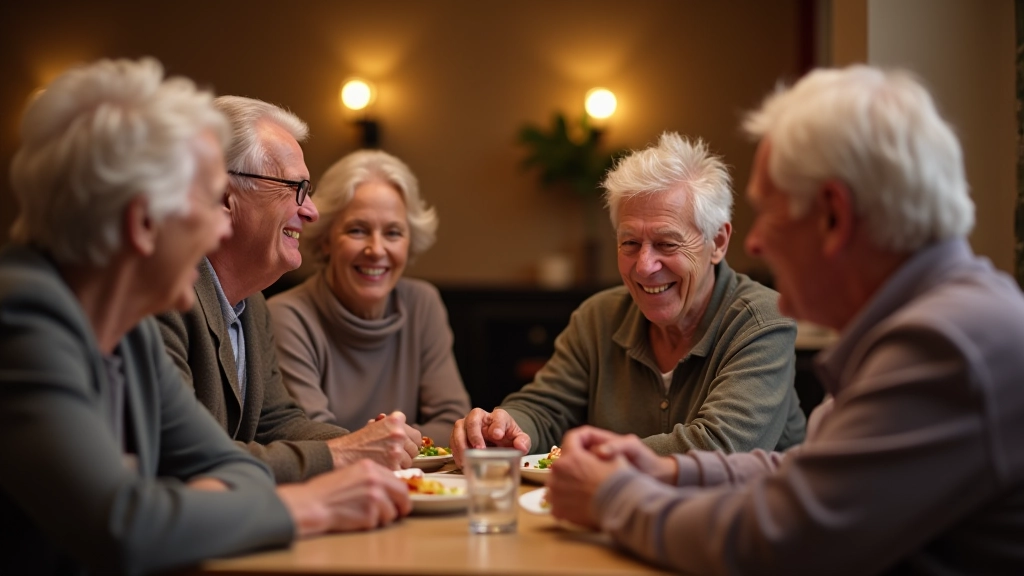
Here's what people don't always talk about: the loneliness factor. Retirement changes your social calendar completely. You're not in an office anymore. You're not bumping into colleagues. Suddenly, you've got to be intentional about finding your people.
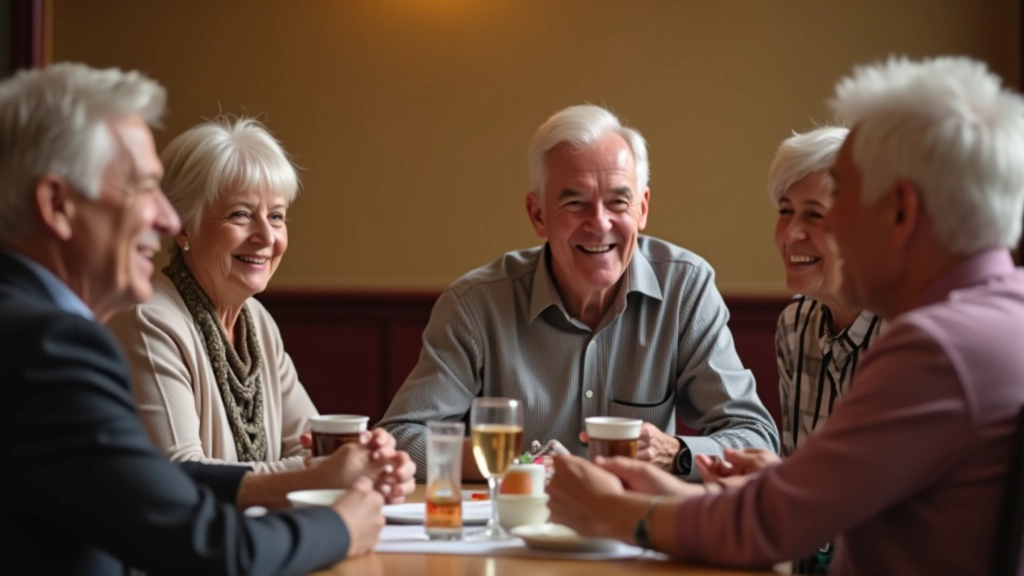
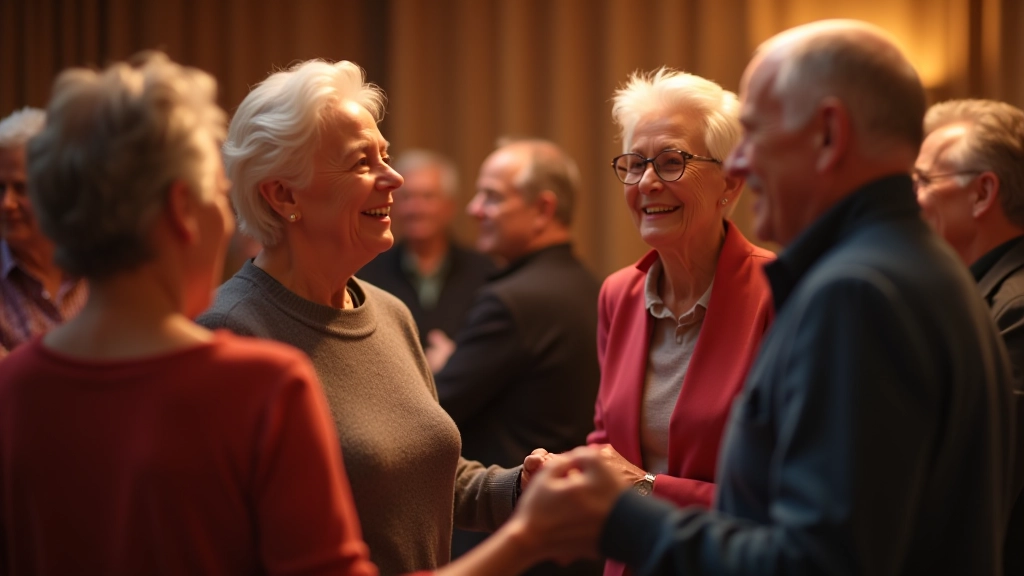
Dance socials fix that. You're meeting folks every week who share at least one interest: dancing. But here's what actually happens — you end up talking about everything. Travel plans, grandkids, health struggles, funny stories. Real friendships form. People swap phone numbers. They make plans to go for coffee before the next social.
We've seen people who started completely alone make genuine friends within 2-3 months of regular attendance. They've got a crew now. They've got plans. They've got something to look forward to each week. That's worth far more than just the dancing.
Starting Your Social Dance Journey
The hardest part is showing up the first time. You'll feel a bit nervous walking in. That's completely normal. But within 10 minutes, you'll realize everyone else felt the same way once.
Pick a social near you, check the dates, and mark it in your calendar. Wear comfortable shoes and clothes you can move in. Bring some cash for the entrance fee and maybe a water bottle. That's genuinely all you need.
Dance socials aren't about being the best dancer. They're about showing up, moving your body, and connecting with people who get it. If you're looking to improve your skills, meet new friends, and have genuine fun — you've found your answer.
Important Disclaimer
This article is informational in nature, designed to help you understand what dance socials are and how to participate. Circumstances vary by location, venue, and individual needs. Before attending any physical activity event, consider your personal health and fitness level. If you have any health concerns or physical limitations, consult with your healthcare provider before participating in dance activities. Venue policies, schedules, and entrance fees may vary — always check directly with the host location for the most current information.
Related Resources
Bachata for Couples: Building Connection Through Dance
Learn how bachata's intimate style can strengthen relationships and create meaningful moments together on the dance floor.
Galway Dance Retreats: Immersive Experiences by the Coast
Explore multi-day dance retreats in Galway that combine intensive training, cultural experiences, and stunning coastal scenery.