Bachata for Couples: Building Connection Through Dance
Learn how bachata's intimate style can strengthen relationships and create meaningful moments together.

Bachata isn't just a dance — it's a conversation between two people. The music's smooth rhythm, the close connection, the way you move together — it's all about communication without words. If you're looking to deepen your relationship through movement, bachata might be exactly what you've been searching for.
We've seen countless couples walk into dance studios feeling a bit nervous or disconnected, and leave with something completely different. They've discovered how to listen to each other through movement, how to lead and follow with trust, and how to simply enjoy being close in a way that modern life often doesn't allow.
Why Couples Choose Bachata
- It's slower and more intimate than salsa or merengue
- You don't need perfect fitness — just willingness to connect
- Works for any age or experience level
- Creates genuine moments of closeness and fun
Building Real Connection Through Movement
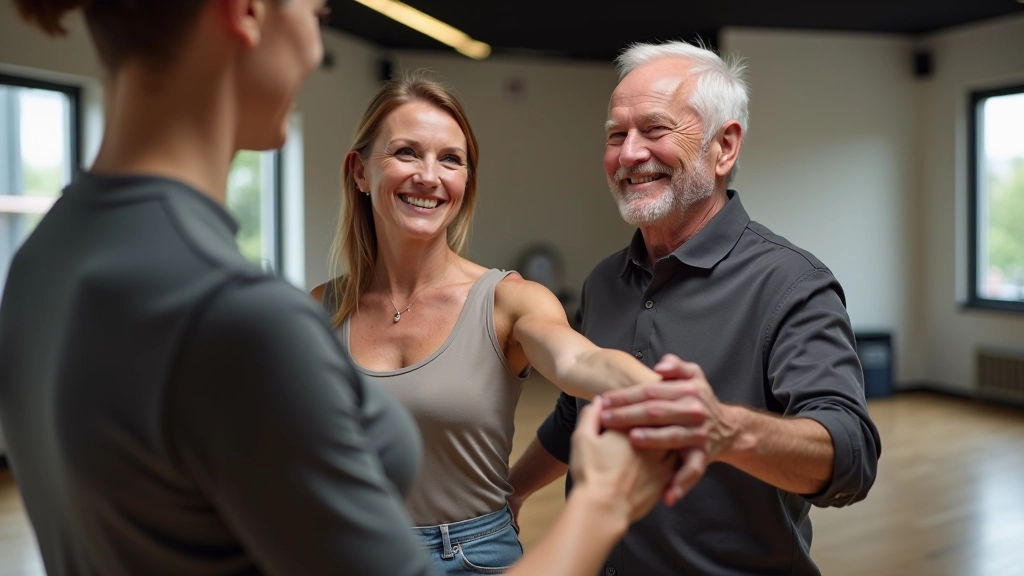
The foundation of bachata is something simple: two people moving together with intention. That's it. There's no complicated choreography you need to memorize. Instead, you're learning to feel what your partner's doing and respond naturally.
In the first few weeks, you'll learn the basic step — it's a side-to-side movement with a gentle hip motion. Doesn't sound like much, but it forces you to slow down. You're moving at about 120 beats per minute, which means you can actually feel each other. You can't rush. You can't pretend to be somewhere else. You're present.
The Real Magic: Bachata teaches you to trust your partner. One person leads, one person follows. But here's the thing — if the leader is tense or unclear, the follower feels it immediately. So you both have to be honest and calm. That translates to everything else in your relationship.
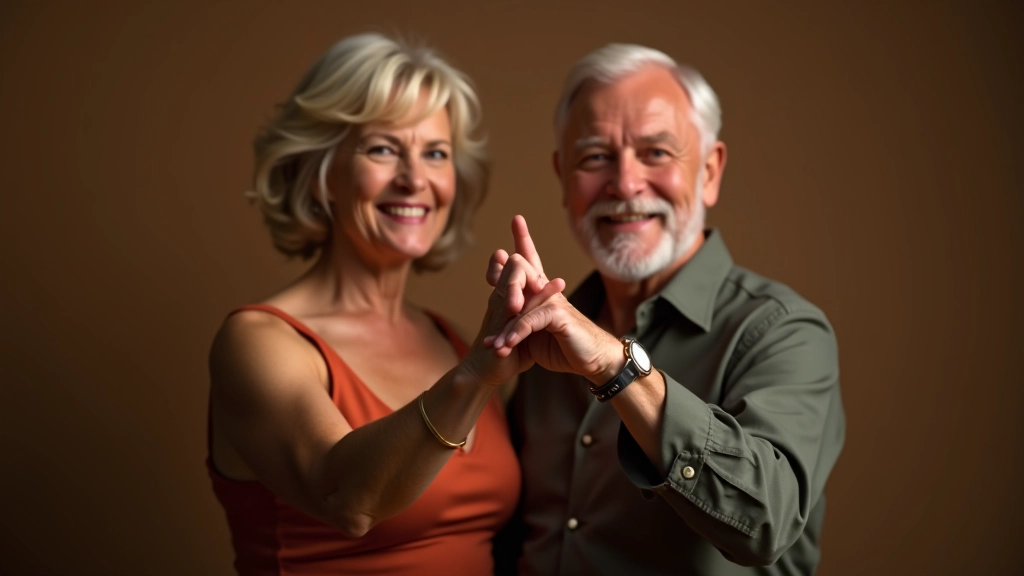
Starting Your Bachata Journey Together
1
Find the Right Class
Look for beginner couples classes at local dance studios. Most offer 6-8 week sessions. You'll want a teacher who's patient and explains what's happening, not just shows moves. The best instructors will pause and let you practice for 5-10 minutes at a time, not just demonstrate constantly.
2
Master the Basic Step
This takes about 3-4 weeks. You'll learn the side-to-side motion, the rhythm, how to keep connection with your hands. Don't expect perfection. Most couples are still adjusting their timing at week 4. That's completely normal.
3
Add Simple Turns
Once the basic step feels natural, you'll add turns. A simple underarm turn takes another 2-3 weeks to feel smooth. The key here is the leader needs to signal clearly, and the follower needs to trust that signal. This is where couples really start to feel the difference.
4
Attend a Social
After 6-8 weeks, you're ready for a social. These are informal gatherings where people dance bachata together in a relaxed setting. Don't stress about being perfect. Everyone there started exactly where you are.
Tips for Getting the Most Out of Bachata as a Couple
Practice at Home
Spend 10-15 minutes a few times per week just moving together in your living room. Put on a bachata song (anything by Juan Luis Guerra or Romeo Santos works), and just practice the basic step. No pressure, no judgment. This is where real comfort grows.
Communicate Honestly
If something isn't working, say it. "I'm getting lost on that turn" or "I'm leading too hard, aren't I?" These conversations strengthen both your dancing and your relationship. You're learning to be vulnerable together.
Don't Compare Yourselves
You'll see couples who've been dancing for years. Don't let that discourage you. They were terrible at week 1 too. Focus on your own progress. The couple next to you in class isn't your competition — they're on the same journey.
Enjoy the Music
Bachata songs tell stories about love, connection, and relationships. Take time to actually listen to the music. Let it guide your movement. You don't need to be perfect — you just need to move together with intention.
Switch Roles Sometimes
If you're not locked into traditional roles, try switching who leads occasionally. This builds empathy and understanding. You'll realize the follower's role requires just as much skill and attention.
Make It Social
Join a regular dance community. Weekly socials in Dublin, Cork, and Galway exist specifically for people learning together. You'll meet other couples at the same level, make friends, and realize you're not alone in this.
What You'll Actually Experience
Your first class might feel awkward. You're probably not used to being this close to your partner in public, and you're definitely not used to moving in sync like this. That's fine. By week 3, it'll feel less strange and more natural.
Around week 5 or 6, something shifts. You'll notice you're not thinking about the steps anymore — you're just moving. Your partner leads, you follow without hesitation. There's a moment, usually during practice, where you both just feel it click. That's the moment people come back for more.
By week 8, you've got the basics down. You can dance through a song without stopping. You know what your partner's likely to do next. You're comfortable. And then comes the first social, where you realize there's a whole community of people just like you — people who decided to learn dance together and discovered something special.
"We weren't sure about it at first, honestly. But after 6 weeks, we were actually looking forward to class. Now we go to the monthly socials and it's become our thing. It's given us something to do together that isn't just sitting on the couch."
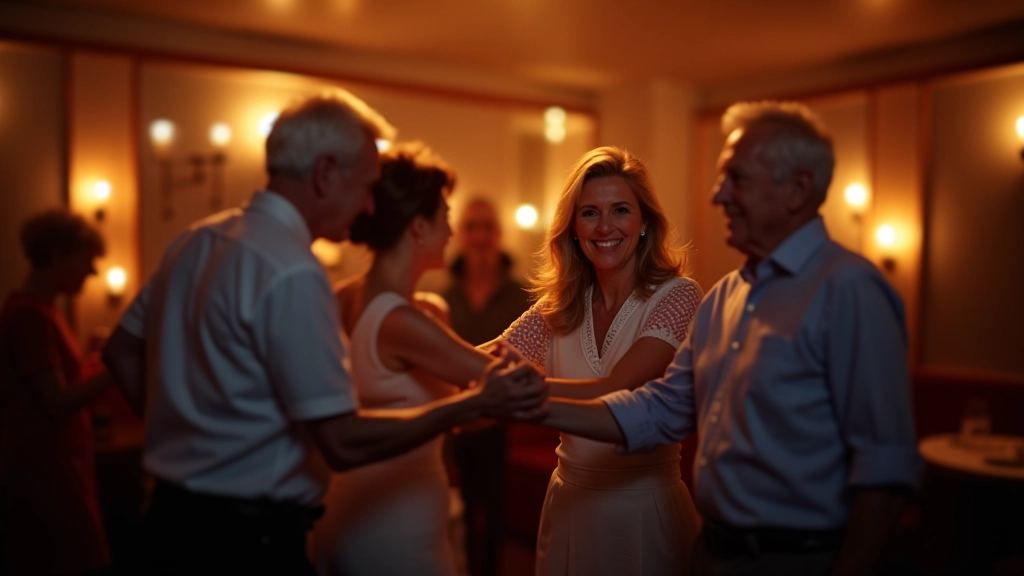
The Real Value of Learning Bachata Together
Bachata isn't really about becoming a good dancer. It's about creating a shared experience, building trust, and rediscovering physical connection with your partner. You'll spend 90 minutes a week moving together, listening to music that makes you feel something, and being fully present with another person. That's rare in modern life.
The couples we've seen succeed aren't the ones with perfect rhythm or natural dancing ability. They're the ones who show up consistently, who laugh when they mess up, and who genuinely want to spend time together doing something different. If that sounds like you and your partner, you're already halfway there.
Start with a beginner couples class. Commit to 8 weeks. Practice at home. Go to a social. You'll probably surprise yourself with what you discover — not just about dancing, but about each other.
Important Disclaimer
This article is informational only and is not a substitute for professional dance instruction. While bachata is generally safe and accessible, individual physical capabilities vary. Before starting any new dance program, especially if you have joint concerns, mobility limitations, or health conditions, consult with your healthcare provider or a qualified dance instructor. Always warm up before dancing, listen to your body, and stop if you experience pain. A qualified dance instructor can provide personalized guidance and modifications based on your specific needs.
Related Articles