Galway Dance Retreats: Immersive Experiences by the Coast

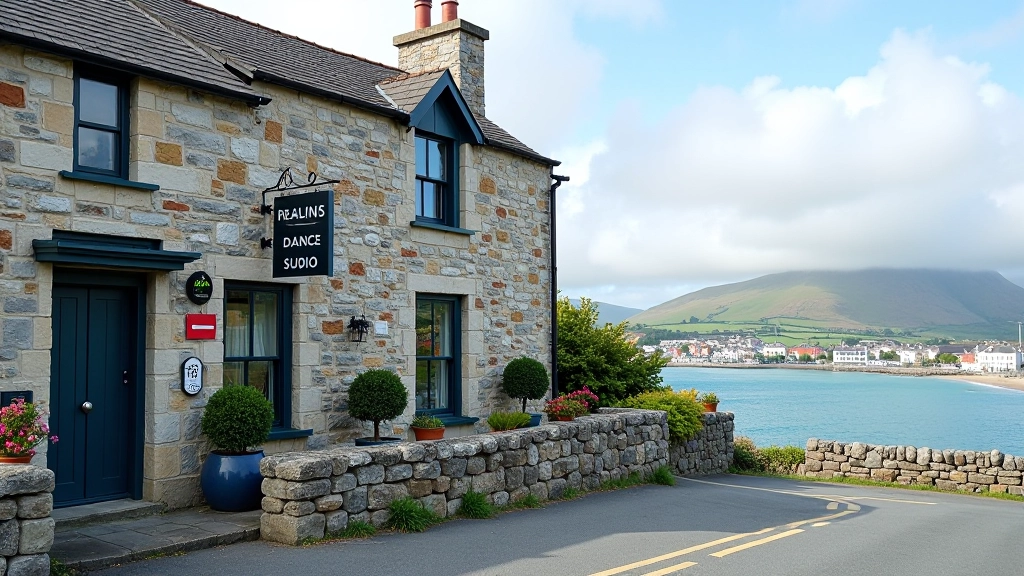
Multi-day dance retreats in Galway offer something you won't find in a weekly class. It's immersion — the kind where you wake up, train for hours, eat with other dancers, and fall asleep thinking about footwork. We're talking structured days where technique gets refined, culture comes alive, and you actually connect with people who share your passion. If you've thought about deepening your dance practice, a Galway retreat might be exactly what you need.
What Happens at a Dance Retreat
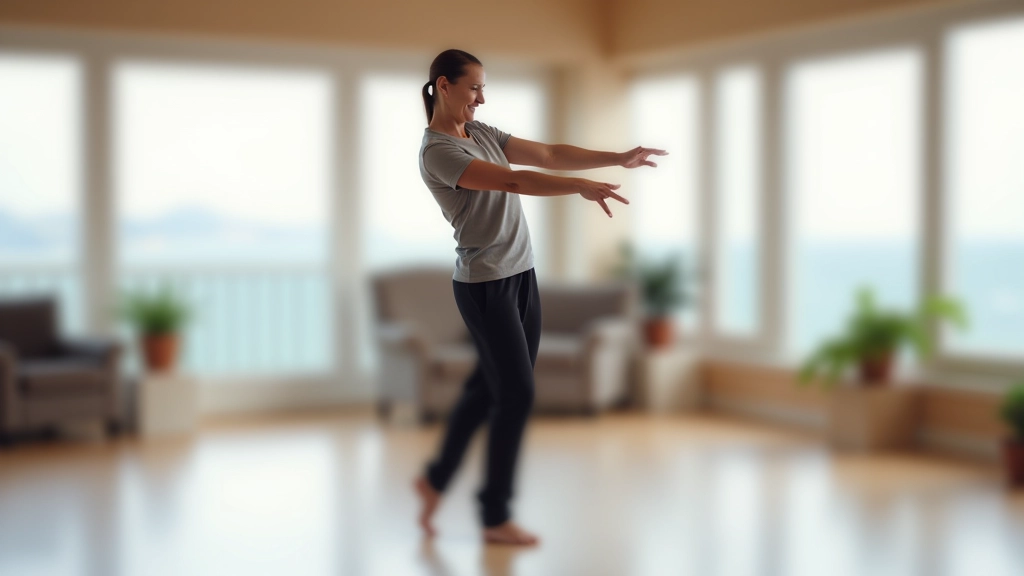
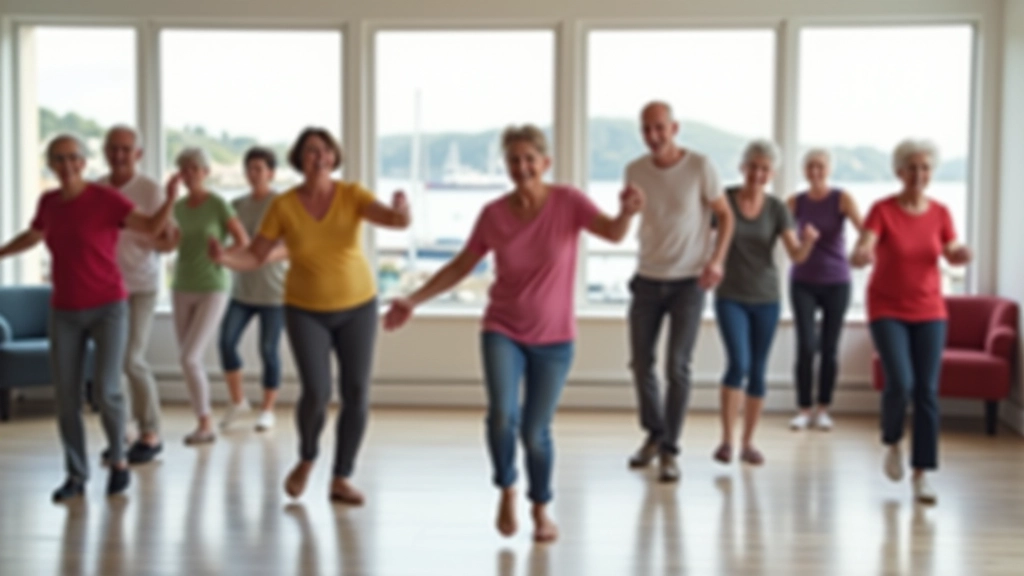
A typical retreat runs 3 to 5 days. You're in a studio or hotel space, often with coastal views that remind you why you came to Galway in the first place. Most retreats start around 9 or 10 in the morning and run until late afternoon, with breaks for lunch and a bit of fresh air.
Daily Structure
- Morning technique class (2 hours) — foundational work
- Break & refreshments
- Advanced choreography or style specialization (1.5 hours)
- Lunch (usually social, with other dancers)
- Afternoon workshop or cultural session (1.5 hours)
- Evening social dancing or guest performances
The key difference from regular classes? You're not checking your watch. You're not rushing home. You've got time to actually absorb what you're learning. Instructors can go deeper. You're not repeating the same 8-count over and over in isolation — you're learning the why behind it, the history, the music.
Why People Actually Go (and Come Back)
You might think it's just about learning steps faster. That's part of it. But the real draw? It's the intensity and the community. When you're dancing 6 or 7 hours a day with the same group, something shifts. You're not strangers after day one.
What Makes Retreats Different
Focused attention: Instructors see patterns in your technique over multiple sessions. They notice if your weight's forward on a turn and can fix it before bad habits set in.
Peer learning: You're surrounded by people at similar levels. Watching others improve around you — that's motivating. Plus you make actual friends, not just acquaintances from Thursday night class.
Cultural context: Most retreats include sessions on music, history, or the cultural background of the dances. It's not just movements — it's understanding.
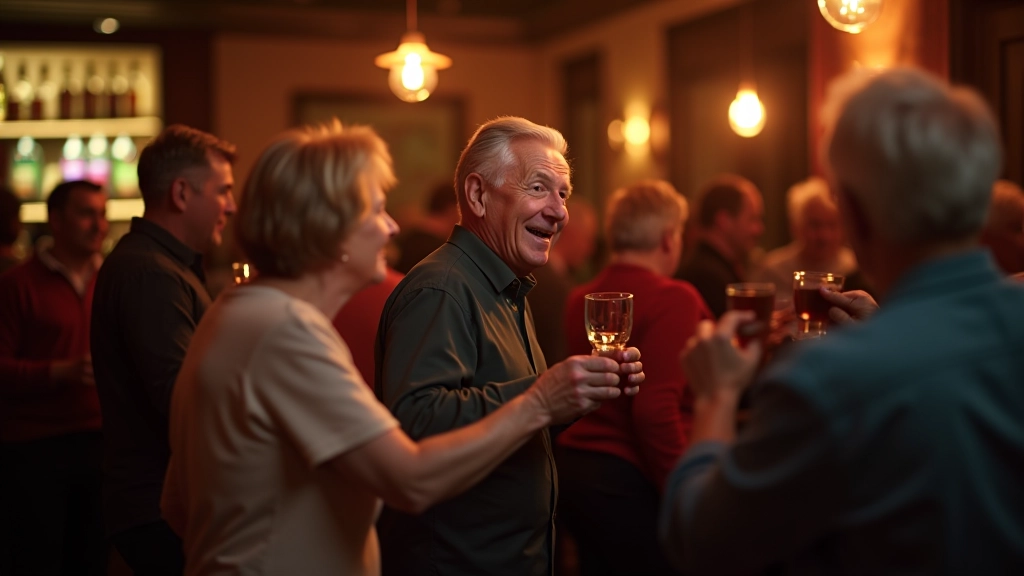
Galway specifically offers something extra: the location. You're in a coastal town with real character. Evening socials happen in traditional pubs. There's fresh air between sessions. People aren't stressed about traffic home. It's genuinely relaxing despite the intense training.
Practical Details Worth Knowing
Most Galway retreats happen spring or autumn — April through May, or September through October. You'll see prices ranging quite a bit depending on what's included. Some cover just the classes, others throw in accommodation, meals, and evening socials. The average 3-day retreat runs around the cost of 8-10 regular weekly classes, which doesn't sound unreasonable when you factor in the intensity and community.
You don't need to be advanced. Retreats label themselves by level — beginner, intermediate, advanced, or mixed. If you're comfortable with basic steps and can follow along in a regular class, you're ready. Instructors aren't looking for perfection. They're looking for people who actually want to improve.
What to Pack & Prepare
- Dance shoes (bring the style you'll be learning)
- Comfortable clothes for training
- Water bottle (seriously, you'll sweat)
- Notebook if you like jotting down cues
- Energy — mental and physical. It's not casual.
Accommodation varies. Some retreats partner with hotels offering discounts. Others happen at venues with on-site lodging. Some people stay nearby and commute. It's worth checking what's included before you sign up — that changes the overall experience and cost.
Is a Retreat Right for You
Retreats aren't for everyone. If you're testing the waters with dance for the first time, a weekly class makes more sense. But if you've been dancing for a while and feel stuck — like you're repeating the same patterns without progressing — a retreat shakes things up. You get feedback you don't get in a drop-in class. You practice continuously, so muscles actually remember what they've learned.
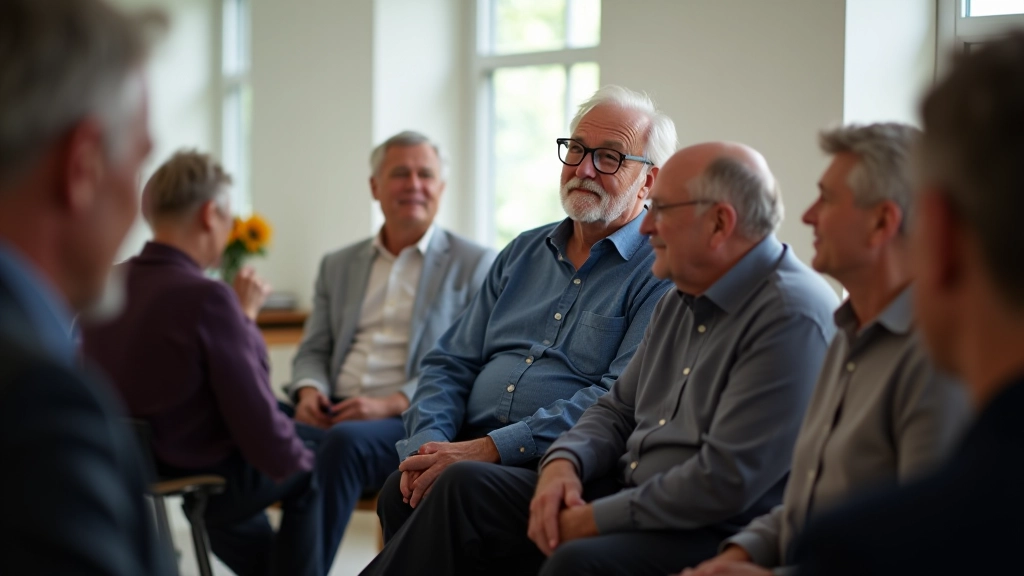
They're brilliant for people who travel solo. You arrive not knowing anyone and leave with a group chat that's still active months later. That matters more than it sounds. Shared experience builds connections that stick. You're not just improving as a dancer — you're joining a community.
Ask Yourself
- Do I want focused improvement, not just enjoyment?
- Can I commit 3-5 full days without distractions?
- Am I open to meeting new people in my dance community?
- Do I want to understand the culture behind the dance?
- Is Galway's coastal setting appealing as a destination?
If those questions resonate, you've probably found your answer. Galway retreats aren't luxury getaways — they're serious training in a beautiful setting. The value is in what you learn and who you meet, not in spa treatments or fancy meals. Though honestly, a good Galway pub evening isn't bad either.
The Real Takeaway
A Galway dance retreat isn't a weekend break where you happen to dance. It's an immersive experience designed to shift how you approach the dance. You'll leave with technique that's sharper, connections that are real, and a better understanding of why these dances matter beyond the steps. Whether it's salsa, bachata, or another style, that kind of focused learning compounds. You won't forget it.
Start by researching retreats happening this spring or autumn. Check what's included, who's teaching, and whether the level matches where you are. Reach out to organizers with questions — they're usually dancers themselves and genuinely want the right people in their retreat. Then commit. Block those days. Go. You'll understand why people come back year after year.
Important Note
This article provides educational information about dance retreats in Galway. Specific retreat schedules, instructors, pricing, and availability vary by organizer and season. We recommend contacting retreat providers directly for current information and booking details. Participation in dance activities involves physical exertion — consult with a healthcare provider if you have health concerns before attending.