
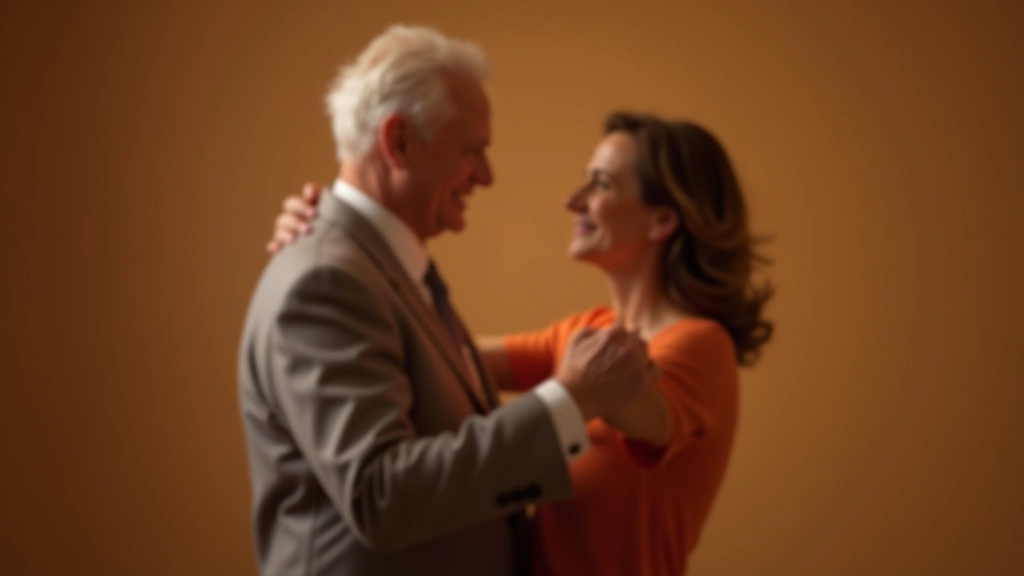
Getting Started with Salsa at Any Age
You don't need rhythm. You don't need experience. You don't even need a partner to start dancing salsa. We've put together everything you need to know before your first class — plus tips for feeling confident from day one.

Why Salsa Works at Any Stage of Life
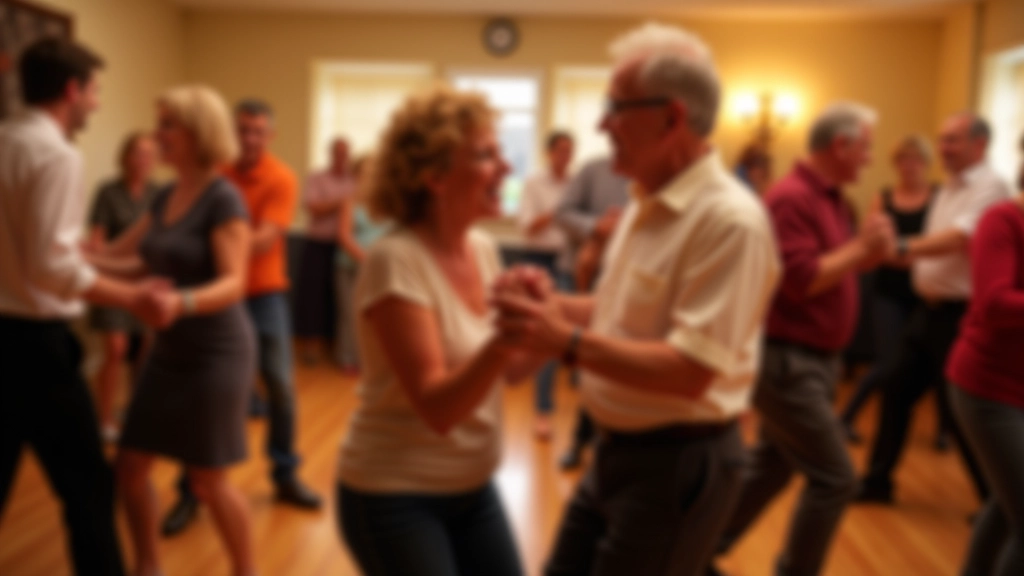
Salsa isn't like other dances. It's social. It's forgiving. And it's genuinely fun from the moment you step into the studio. Most people think they're too old, too uncoordinated, or too self-conscious to learn. That's completely normal — and it's also completely wrong.
The thing is, salsa has been taught to beginners for decades. Good instructors know exactly what works: simple patterns, lots of repetition, and a community that actually wants you to succeed. You're not trying to perform on a stage. You're learning to move your body to music you enjoy, alongside people just like you.
Most people see real progress in 4-6 weeks. That means muscle memory, confidence, and actual dancing — not just shuffling your feet.

The Basics: What You'll Learn First
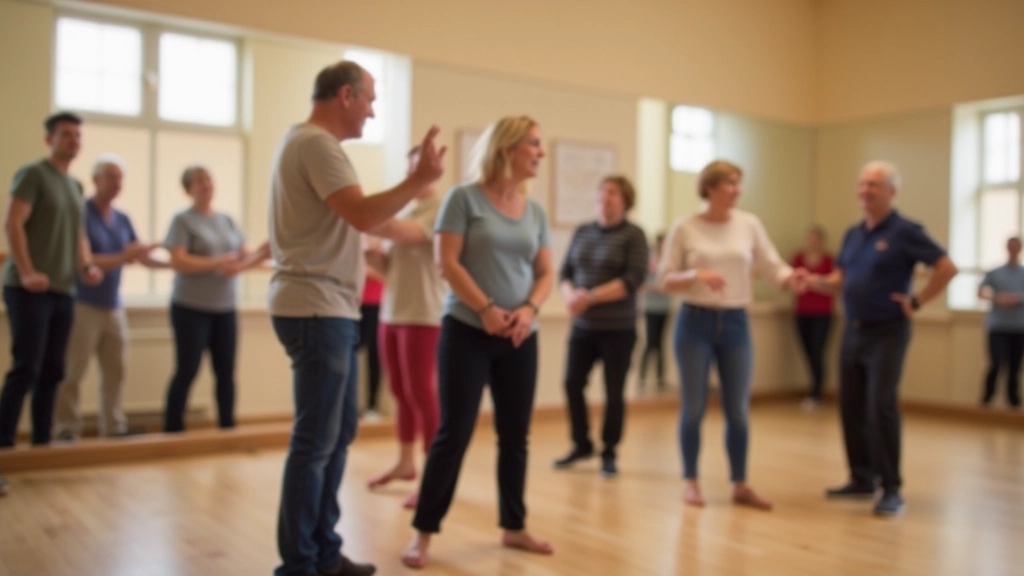
Every salsa class starts the same way. You'll learn the basic step — the foundational pattern that everything else builds from. It's a simple forward-back-side movement repeated to an 8-count rhythm. Sounds straightforward? It is. Most beginners nail it within the first 15 minutes.
The Basic Step Breakdown
- Count 1-3: Step forward with your left foot, shift weight back
- Count 5-7: Step back with your left foot, shift weight forward
- Count 4, 8: Step to the side and back to center
You'll practice this pattern for weeks. It becomes automatic. That's the goal.
After the basic step, you'll work on timing — staying with the music's clave rhythm, which is the heartbeat of salsa. This isn't complicated music theory. It's just learning to feel when the beats fall and moving with them.
The Mental Side: Confidence Without the Pressure
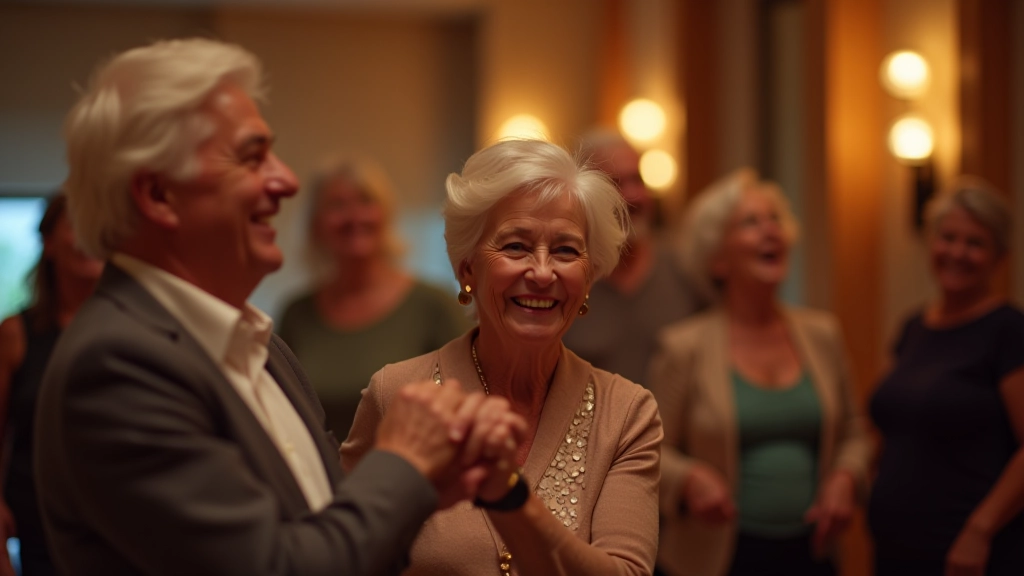
Here's what happens in your head on week one: You feel awkward. Everyone feels awkward. The instructor is moving smoothly, the other students seem to know what they're doing (they don't, most of them are also beginners), and you're worried about stepping on someone's toes or getting the rhythm wrong.
Three Things That Change Everything
- Everyone messes up. The instructor expects mistakes. There's no judgment. You're there to learn, not perform.
- Your body learns faster than your mind. By week 3, your feet remember the steps even when your brain's still thinking. Trust the repetition.
- The community is genuine. People come back because they enjoy it. They're kind to newcomers because they remember being new.
By week four or five, something shifts. You stop thinking about the steps and just dance. Your confidence comes from repetition, not talent.
Practical Tips for Your First Class
Let's get practical. Here's what to do before you walk into that studio for the first time.
What to Wear and Bring
- Shoes: Soft-soled shoes with smooth bottoms. Salsa shoes if you have them, but regular sneakers work fine to start. Avoid trainers with grip — you need to pivot.
- Clothing: Something you can move in. Trousers, dresses, skirts — anything that doesn't restrict your hips or legs.
- Arrive 10 minutes early: You'll meet the instructor, ask questions, and get settled without rushing.
- Bring water. You'll dance for 45-60 minutes. Stay hydrated.
Most classes are mixed levels, which sounds intimidating but isn't. Beginners get gentle instruction. More experienced dancers work on advanced patterns in the same room. The instructor watches everyone and offers guidance where it's needed.
What to Expect Over Your First 8 Weeks
1
Weeks 1-2: The Learning Phase
You'll learn the basic step and start hearing the music differently. Your body will feel tired — you're using muscles you don't normally use. This is normal and it passes quickly.
2
Weeks 3-4: Muscle Memory Kicks In
Your feet start remembering without you thinking about it. You'll learn 1-2 basic turns. You'll feel noticeably more confident in the studio.
3
Weeks 5-8: Real Dancing Begins
You're actually dancing now, not just remembering steps. You'll try basic partner dancing if your class includes it. You'll recognize songs and feel excited about them.
Everyone moves at their own pace. Some people feel confident by week three. Others take eight weeks. Both are completely fine. There's no timeline except the one you set for yourself.
Finding the Right Community
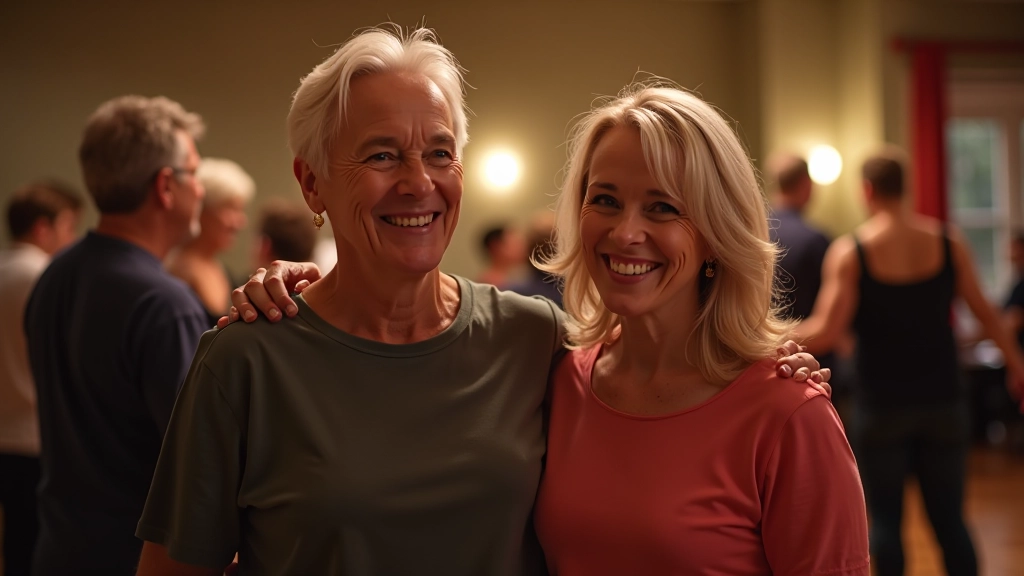
The instructor matters. The studio matters. But the community is what keeps you coming back. You're looking for a place where people actually want to help each other improve.
When you visit a class for the first time, notice: Do people chat before and after? Does the instructor ask your name? Are there mixed ages and experience levels? Do people seem happy to be there? These things aren't small — they're everything.
Ireland has thriving salsa communities in most towns. Weekly socials, monthly celebrations, and occasional weekend workshops. You don't need to commit to anything formal. Drop into a class. See if it feels right. If it doesn't, try another studio. You're shopping for community, not signing a contract.
The Real Reason People Start Dancing Salsa
It's not because they're naturally coordinated. It's not because they love being the center of attention. Most people start salsa because they want to move, have fun, and be part of something social. They want to feel alive again.
That's exactly what happens. Within weeks, you're not thinking about your age or whether you're "good enough." You're focused on the music, the steps, and the people around you. You're dancing.
Your first class is just the beginning. Everything you need to know — you'll learn it in the room with an instructor and a community that's been exactly where you are now.
Explore Weekly Dance Socials Near YouImportant Information
This article is for educational purposes and provides general information about learning salsa dance. Individual experiences vary based on fitness level, prior dance experience, and personal health circumstances. If you have any health concerns or physical limitations, consult with your healthcare provider before starting a new physical activity. Dance instruction quality and community experiences differ by location and studio. We recommend visiting classes in person to find the right fit for your needs and comfort level.
Related Articles